Cosmetics in Dota are more than colorful textures pasted onto heroes. They are small pieces of artistry that let players express themselves, celebrate events, and sometimes show off serious collector pride. If you’ve ever watched a professional match and noticed a hero glowing with unique effects or a courier that looks like it belongs in a fantasy museum, you’ve seen the subtle power of Dota skins. They don’t change gameplay, but they change how the game feels — and for many players, that matters a lot. Whether you’re a casual player CS2run who wants a neat helmet for your favorite carry, a collector hunting for items that appreciate in value, or a creator hoping to submit your first Workshop item, the world of Dota cosmetics can be delightful and confusing in equal measure. This article walks you through what skins are, where they come from, how the market works, practical buying and collecting tips, and the basics of making your own. Consider this your friendly guide to everything skin-related in Dota.
What Are Dota Skins and Why Do They Matter?
Skins, or cosmetics, are items that change the appearance of heroes, couriers, wards, loading screens, and even announcers. They range from minor recolors to full model overhauls with custom particle effects and new animations. Importantly, they are purely cosmetic — Valve’s design ensures that skins never affect balance. Yet they carry value through rarity, aesthetics, and community demand. The importance of skins goes beyond vanity. They’re an avenue for artists and modders to get noticed through the Steam Workshop, a revenue stream for Valve and event organizers, and a social currency within the community. Some items become iconic or culturally significant, tied to key tournaments or community moments; owning such an item can feel like owning a piece of Dota history.
Categories and Rarity Levels
Most Dota cosmetics fall into broad categories: hero sets, single hero items, couriers, wards, loading screens, and special items like Arcanas and Immortals. Rarity labels help the market and players understand how scarce an item is. Rarer items often have distinct particle effects, name effects, or unique sounds.
- Common/Uncommon: Frequent drops or basic community-created items.
- Rare/Mythical: Less frequent drops, often more detailed and sought after.
- Immortal: Unique particle effects and prestige; often released in limited treasure chests.
- Arcana: Highest-tier cosmetics for certain heroes, usually with big model changes, multiple styles, and unique animations.
- Legacy/Genuine/Collector: Special labels denoting discontinued, event-specific, or autographed items.
How Skins Are Released: Treasure, Battle Pass, and Workshop
Valve primarily distributes cosmetics through a few channels. Understanding them helps you know where to look and when to expect new items.
Treasure chests and seasonal bundles are classic distribution methods. Treasures drop during events or are included in the store, requiring keys or purchases to open. Battle Passes (released around The International) pack exclusive sets, courier variants, and loading screens, and can be a goldmine for new cosmetics. The Steam Workshop is where community creators submit their designs; Valve curates and chooses items from the Workshop to add to the game, splitting revenue with creators.
The Workshop route is important: it gives talented artists a pathway from hobbyist to professional and is the origin of many beloved items. If you appreciate community-made art, watch Workshop announcements and seasonal calls for submissions — creators often get community feedback and refine items before Valve chooses them for an official release.
Example Distribution Channels
| Channel | How It Works | Who Benefits |
|---|---|---|
| Treasure Chests | Buy/open for a chance at items; rare drops possible | Players, Valve, creators (if Workshop item) |
| Battle Pass | Seasonal progression rewards; exclusive sets | Players, Valve, esports events |
| Steam Market | Buy/sell items directly with real money | Buyers/sellers, Valve (fee) |
| Workshop Submissions | Community-made items submitted; Valve may pick them | Creators, Valve, players |
Understanding the Market: How Prices and Rarity Work
The Dota market can be volatile. Prices reflect supply and demand, event timing, and collectability. A courier that was once widely distributed might drop in price if newer, flashier couriers arrive. Conversely, a discontinued item tied to an early tournament can skyrocket because it’s scarce and nostalgic.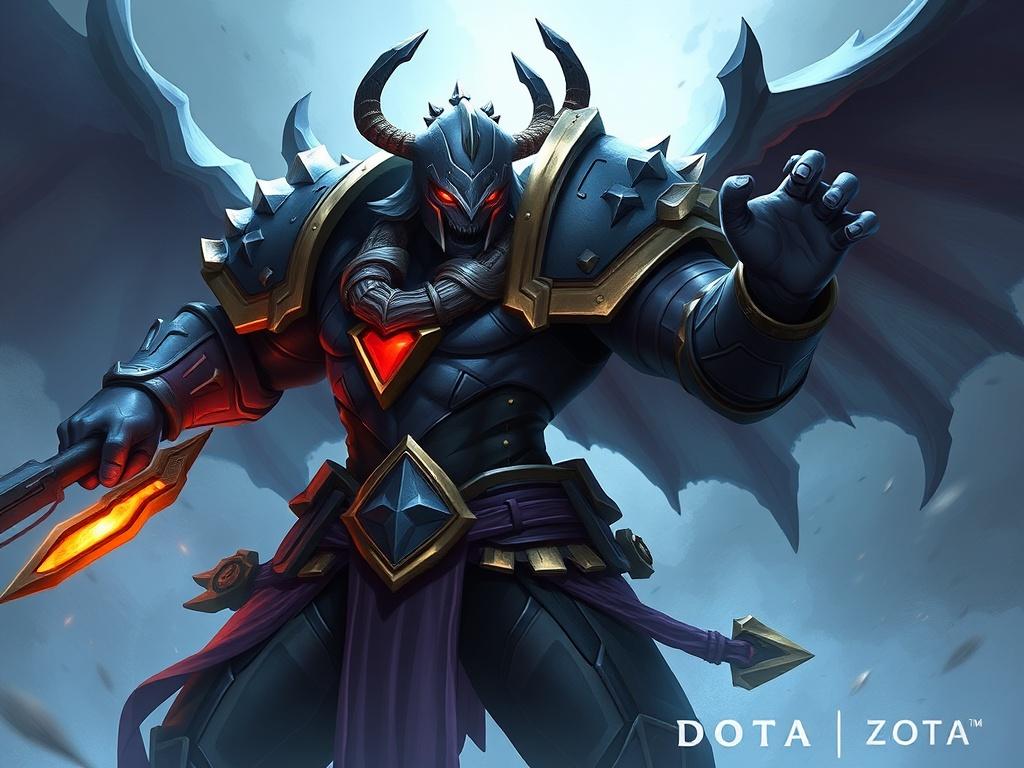
Typical price tiers give you a rough idea of what to expect when buying or collecting. Remember that prices fluctuate based on the Steam Market, third-party platforms, and collector interest. Always check current market listings and consider trading fees and regional differences.
| Rarity Tier | Typical Price Range (USD) | Notes |
|---|---|---|
| Common/Uncommon | $0.10 — $5 | Everyday items, easy to replace |
| Rare/Mythical | $5 — $50 | Nice sets and rare drops; good for collectors |
| Immortal | $10 — $200+ | Special effects; often sought after |
| Arcana | $20 — $300+ | Flagship hero cosmetics; high demand |
| Legacy/Collector | Varies wildly; $50 — $1000s | Tied to events, discontinued items, or autographs |
Tips for Navigating the Market
- Watch for seasonal dips and peaks: prices can drop during sales and spike after events or when a pro player popularizes an item.
- Compare across platforms: Steam Market fees make third-party sites cheaper sometimes, but they carry higher risk.
- Use price-tracking sites: they show historical trends and help avoid bad buys.
- Be careful with “too good to be true” deals: scams exist, especially on trading forums and social media.
Collecting vs. Playing: What Kind of Buyer Are You?
There are different motivations for owning skins. Are you decorating your hero because you love the theme? Or are you investing, hoping an item gains value? Maybe you enjoy supporting creators by buying Workshop items. Knowing your motivation shapes how you approach purchases and trades.
If you want to curate a themed set — for example, cosmetic items that match a certain aesthetic for a hero — check how items appear in game and whether they conflict with other cosmetics (some sets don’t stack visually). If you’re a collector, focus on rare couriers, discontinued items, and autographed pieces that are historically tied to The International or other big events. If you’re an investor, be ready for long-term holds and understand market dynamics.
Practical Checklist for Buyers
- Verify item’s in-game screenshots and inspect particle effects.
- Confirm tradability and market availability (some items are locked).
- Check seller reputation and trade history if using peer-to-peer platforms.
- Factor in Steam fees and platform-specific charges.
- Keep an eye on supply: newly dropped items are cheaper than limited-run items.
Making Your Own Skins: From Idea to Workshop
Creating an item for Dota’s Workshop is a rewarding path for artists and modders. It involves concept art, modeling, texturing, rigging, and sometimes particle and sound design. The community values creativity and polish, and Valve looks for items that complement the hero’s identity.
Start small. Learn the tools — Blender for modeling, Substance Painter or Photoshop for textures, and Valve’s official tools for exporting and packaging. Read the Workshop guidelines carefully: Valve weeds out submissions that violate lore, copyright, or quality standards. Once you submit, engage with community feedback. Iteration improves your chances of being picked and, if selected, you’ll receive a share of revenue when the item sells.
Basic Steps to Create a Workshop Item
- Concept: sketch the design and ensure it fits the hero’s silhouette and lore.
- Modeling: build the high- and low-poly models.
- Texturing: create textures, normal maps, and specular maps.
- Rigging & Animation: adapt to the hero’s skeleton and test in-game.
- Packaging & Submission: follow Valve’s submission template and upload to the Workshop.
Risks, Ethics, and Community Best Practices
While skins are fun, there are pitfalls. Third-party marketplaces can be risky; scams, phishing, or stolen items happen. Moreover, modifying game files to use custom skins can violate terms of service in some contexts and may risk a ban or a corrupted client. Respect creators’ rights: do not redistribute their work without permission.
Be an ethical member of the Dota community. Support creators directly through legitimate purchases, give constructive feedback on Workshop items, and avoid exploits that harm other players. If you are trading, use secure escrow systems or trusted middlemen, and avoid sharing account credentials.
Quick Safety Rules
- Use Steam’s official trading and market systems when possible.
- Never share account passwords or two-factor codes.
- Avoid installers from unknown sources for “free” or “unreleased” skins.
- Report suspicious activity to Valve and community moderators.
How Skins Impact the Player Experience
Cosmetics can affect how a match feels without affecting balance. A hero that looks narratively coherent or has a satisfying sound cue can make you enjoy playing them more. Teams and pro players often use skins as part of their identity — a set of signature items can become recognizable to fans. For new players, cosmetics are a fun way to personalize the game and find heroes that match their taste.
On the flip side, an overload of flashy effects in a match can be distracting if several players use loud, attention-grabbing items. Valve sometimes tempers this by allowing players to disable certain particle effects for clarity. Overall, when used thoughtfully, cosmetics enrich the game’s visual tapestry and deepen player connection to their heroes.
Where to Start If You’re New
- Pick one or two heroes you love and buy a small set that complements them.
- Watch pro matches and note which cosmetics feel iconic or fitting.
- Follow Workshop creators you admire and bookmark their submissions.
- Use the Inspect feature on Steam to see items in detail before buying.
Final Thoughts on Building Your Collection
Building a collection is a journey, not a sprint. Whether you’re focused on aesthetics, rarity, or investment, patience pays. Keep learning about the market, follow creators, and lean into community events for special drops. And remember: the best skins are the ones that make you smile when you load into a match.
Conclusion
Skins for Dota in https://cs2run.gg/ are a vibrant fusion of art, community, and commerce that let players personalize their experience, support creators, and sometimes build collections of real value; by understanding how cosmetics are released, how the market works, and how to create or safely trade items, you can enjoy the visual side of Dota while avoiding common pitfalls and contributing positively to the community.