
Finding an old coin in a shoebox or inherited tin can spark a rush of curiosity. That faded quarter or darkened silver dollar might be worth face value, a nice bit of bullion, or — occasionally — something that makes your heart skip. The trick is separating guesswork from facts. This guide walks you step by step through the ways collectors escanear monedas para saber su valor gratis and dealers assess coin value, with practical tools, reliable resources, and smart questions to ask before you buy, sell, or clean anything.
I’ll assume you have a handful of coins and a willingness to learn. You don’t need professional equipment or a degree in numismatics to start. A careful eye, a few inexpensive tools, and the habit of checking multiple sources will take you much further than a single internet search or a hasty opinion from a stranger at a flea market.
Start with Identification: What Coin Is It?
Identification is the baseline. Every value judgment depends on knowing exactly which coin you’re holding: country, denomination, year, mint mark, and design variety. Those small details often determine whether a piece is common or rare, modern or historic, valuable to bullion buyers or to numismatists.
Begin by reading the obverse and reverse closely. Look for the date and any letters near it (mint marks like D, S, P, W in the U.S.). Note design changes that occurred in specific years. If the date is worn away, use a loupe and proper lighting — sometimes parts of digits remain where you least expect them. Record every visible feature: edge type (reeded, plain, lettered), portrait or motif, and any unusual markings or lettering.
Tools You’ll Need
A handful of inexpensive tools makes identification and assessment far more reliable. You can perform most of the work at home without specialized lab equipment.
| Tool | Purpose | Typical Cost |
|---|---|---|
| 10x Loupe (jeweler’s loupe) | Inspect finer details: mint marks, die breaks, hairlines, cleaning scratches | $5–$20 |
| Digital calipers | Measure diameter and thickness to confirm type | $10–$30 |
| Small digital scale (0.01 g) | Verify weight for authentication and metal content checks | $15–$40 |
| Soft microfiber cloth & nitrile gloves | Handle coins safely to avoid oils and scratches | $5–$15 |
| Reference books / smartphone | Quick reference for dates, varieties, and market guides | Varies (many free online resources) |
These tools help you collect objective data. Objective data beats speculation when you later compare prices or speak with a dealer.
Assess Condition and Grade
Condition — often called grade — is the single biggest factor in numismatic value after rarity. Two identical coins from the same year can have wildly different prices depending on wear, luster, and surface quality. Grading is partly subjective, but learning the basics will keep you from under- or overvaluing a coin.
Begin by checking for obvious wear on the high points of the design. Look for original luster (a kind of sheen), clear hairlines and fields, and whether devices (like portrait features) are sharp. Minor nicks, small rim dings, and light contact marks reduce grade less than heavy wear or deep scratches. Avoid guessing with slang — use standard terms like Good (G), Very Fine (VF), Extremely Fine (XF), About Uncirculated (AU), and Mint State (MS).
- Check both sides under magnification for hairline scratches and cleaning marks.
- Note discoloration vs. natural toning — toning can be desirable; chemical spots usually are not.
- If a coin looks too perfect for its age, suspect cleaning or alteration.
Professional graders at services like PCGS or NGC use a 70-point scale for mint state coins. You don’t need to master every nuance, but practice comparing your coins to photo-based grading guides to build an eye for subtle differences.
Rarity, Mintage, and Varieties
Rarity doesn’t only mean a low mintage number. Survival rate, demand, and known die varieties affect rarity more than the printed mintage figures. A million coins struck in a year can be scarce in high grade if most were melted or heavily circulated.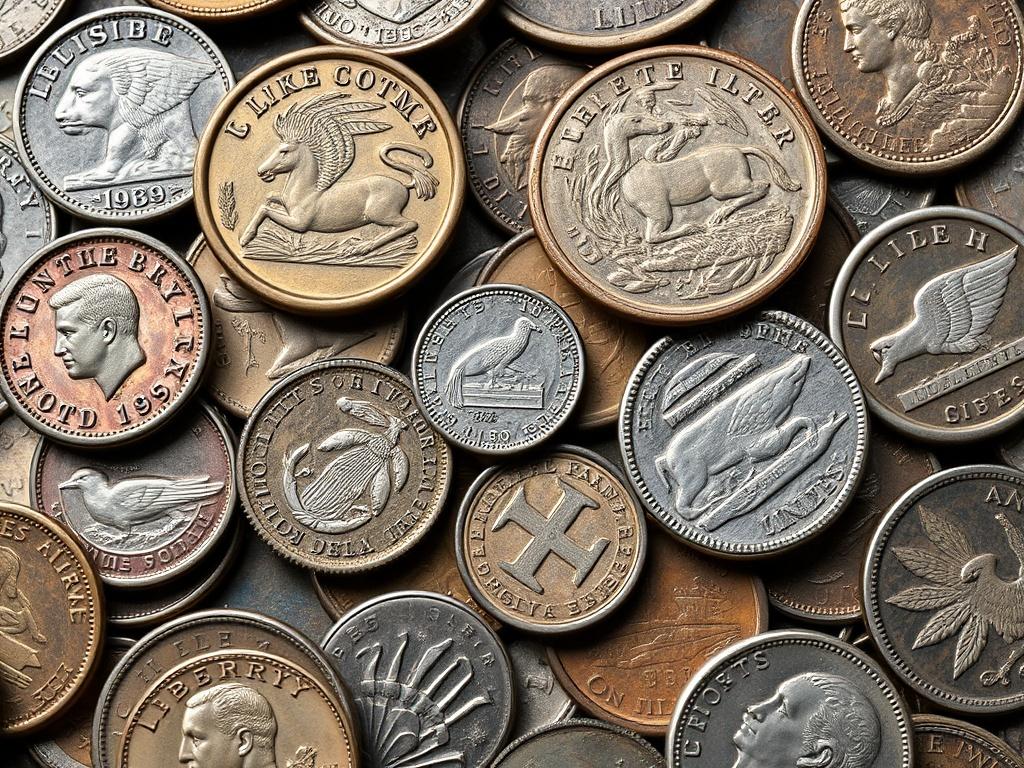
Die varieties and errors (double dies, repunched mint marks, off-center strikes) often raise a coin’s value, sometimes dramatically. Those nuances require careful comparison to authoritative references or the opinion of a specialist. Learn the most common varieties for the series you collect — a small investment of time pays off when you uncover an identified variety a dealer might otherwise overlook.
| Rarity Level | Typical Market Effect |
|---|---|
| Common | Values near standard price guides; premiums only for high grade |
| Scarce | Moderate premiums, especially in uncirculated grades |
| Rare | Strong premiums; auction results can exceed guidebook values |
| Extremely rare / Unique | Collector-driven pricing; value set by highest bidder |
When in doubt about a variety, photograph the coin and compare images with online die-study resources or the professional population reports maintained by grading services.
Metal Content and Intrinsic Value
Some old coins have intrinsic metal value that acts as a pricing floor. For silver and gold coins, the melt value (metal content × spot price) establishes a base below which the coin is rarely sold by honest dealers. But collectors often pay more than melt for numismatic reasons, sometimes far more.
To estimate melt value, confirm the coin’s weight and metal composition, then multiply the pure metal content by the current spot price. Remember that older coins may be debased or composed differently than modern bullion coins. Accurate weight readings and a reliable reference for composition are essential.
Also be mindful of plated base-metal counterfeits that mimic silver or gold. If the weight and thickness are off, or if a magnet sticks, you may have a fake. Use a combination of tests — visual, tactile, weight, and if needed, professional XRF testing — rather than relying on one quick trick.
Authentication and Certification
Third-party grading and authentication (slabbing) by PCGS, NGC, ANACS, and similar services provide two main things: an expert opinion on grade and an assurance against certain counterfeit types. Slabbed coins usually sell more easily and often for higher prices than comparable raw coins because buyers trust the certification.
However, certification costs money and is not always necessary for low- to mid-value coins. For potentially high-value pieces, certification before sale (or before paying a premium) is a smart move. Verify any slab number online through the certifier’s database and inspect the slab for signs of tampering.
Research Market Value
Checking value means looking at multiple sources. Price guides, auction archives, dealer lists, and recent sale data each show different aspects of the market. Price guides provide averages; auction results show what buyers actually paid; dealer inventories reveal current asking prices. Combining these sources gives a realistic range.
- Start with a respected price guide (e.g., Red Book for U.S., PCGS/NGC price guides online) for baseline values.
- Search completed eBay listings and specialized auction houses for realized prices of similar grades.
- Consult population reports and auction databases for low- and high-end sales evidence.
- Check dealer buy/sell spreads — dealers buy lower and sell higher; this gap helps set expectations.
Remember that market demand changes. Historical or political anniversaries, movie features, and bullion price swings can all shift prices quickly. A good rule: value is what a willing buyer pays a willing seller under no pressure.
When to Consult an Expert
If a coin could be valuable — unusual date, potential variety, or surprisingly high grade — don’t rely only on online images. Take color photographs, record measurements and weight, and consult an experienced dealer or numismatic specialist. Local coin clubs and coin shows are excellent places to get multiple independent opinions without committing to a sale.
Experts can also spot restorations, improper cleaning, and subtle counterfeits that fool casual buyers. If you plan to sell through auction or need an insured appraisal, select an appraiser with credentials and references. Ask about fees and whether they buy coins; impartial appraisals matter if you need official valuations for estate or insurance purposes.
Finding a Dealer or Appraiser
Look for dealers who are members of professional organizations (ANA, PNG, or local numismatic associations), who provide written terms, and who have stable addresses and verifiable references. A reputable dealer will welcome reasonable questions and provide market-based explanations for offer prices. Avoid high-pressure tactics and anyone who insists on immediate cash without documentation.
- Check online reviews and Better Business Bureau records.
- Ask for references or past auction links for high-value items.
- Prefer dealers who participate in trade shows and public auctions.
Common Mistakes and Pitfalls
Many collectors damage value by cleaning coins with harsh chemicals, polishing, or abrasive tools. Cleaning removes original surfaces and usually destroys numismatic value — for almost any collectible coin, it’s better to leave it as-is. If you suspect corrosion or verdigris, ask an expert before attempting treatment.
Other pitfalls: relying on a single price guide, trusting one unverified online buyer, or being seduced by inflated «buy it now» prices. Emotional attachment can cloud judgment; set a realistic goal for each coin and stick to it.
- Don’t clean coins. Ever, unless under expert instruction.
- Don’t assume all old-looking coins are valuable.
- Don’t accept a dramatically low cash offer without checking online markets.
How to Sell or Insure Valuable Coins
Decide whether to sell locally to a dealer, consign to auction, or list online. Auctions and consignments reach specialized collectors and often yield higher prices for rare items, but they charge fees and take time. Local sales are faster but typically pay less. For mid-market coins, a reputable online dealer or auction with fixed fees may be the best blend of speed and return.
When preparing to sell, assemble provenance (ownership history), certification papers, and clear photographs. Package items securely and insure shipments fully. If you insure a collection for the home, get a current appraisal and update it regularly; replacement cost, not market-fluctuating value, is often the basis for insurance coverage.
Keeping Records and Storing Your Coins
Good records increase value and reduce disputes. Photograph obverse and reverse, note weight, diameter, and any identifying marks, and store scans or images in a cloud folder with date-stamped filenames. Simple spreadsheets with notes on provenance and past sale prices become invaluable over time.
Storage matters: use inert holders, acid-free flips, or capsules. Avoid PVC-containing plastics that can produce green residue. Store silver coins in a dry, temperature-stable place with silica gel packs to moderate humidity. For very valuable coins, consider a safety deposit box or home safe with appropriate insurance coverage.
Quick Checklist: Steps to Check a Coin’s Value
- Identify the coin: country, year, mint mark, and variety.
- Measure and weigh; examine under a loupe for details.
- Assess condition against photo grading guides.
- Check metal content and calculate melt value if applicable.
- Search price guides, auction records, and completed online sales.
- Consider certification if the coin is potentially high-value.
- Consult a reputable dealer or appraiser for final verification.
Conclusion
Checking the value of old coins is a blend of careful observation, methodical research, and prudent use of experts. Start by identifying and documenting each piece, learn the basics of grading, use trustworthy resources to compare prices, and avoid quick fixes like cleaning. With time and a few simple tools you’ll gain confidence — and perhaps discover that a coin in a dusty jar is worth far more than its face value.