
Landing at Westchester County Airport (HPN) feels different from the larger New York hubs: smaller crowds, shorter lines, and an easier rhythm. If your trip demands mobility beyond buses and trains — whether you’re heading to a business meeting upstate, exploring the Hudson Valley, or driving into the city for a day — renting a car can be the most flexible choice. This guide walks you through what to expect at HPN, how to save time and money, and which practical details matter once you press the key fob and pull out onto the ramp.
Where rental cars fit at HPN
Westchester County Airport is compact, and that affects the car rental at westchester county airport experience in a good way. Most major national and regional companies maintain a presence here, offering the usual range of SUVs, sedans, and vans. The proximity of rental counters to the terminal means quick handoffs: you collect your bags, step to a counter or shuttle, and you’re usually on your way in less time than at larger airports. That simplicity is appealing, but it also means fleets can be smaller — popular models can sell out on busy weekends, so booking ahead is more important than it might feel.
Which companies operate at HPN?
Companies change over time, but expect national names alongside local agencies. Typical operators include Avis, Budget, Enterprise, Hertz, National, Alamo, and smaller local firms. If a particular brand matters to you — for rewards points, loyalty status, or vehicle preference — verify availability before you arrive. A quick phone call or confirmation email can save a lot of stress.
Picking the right car for the region
Deciding what to rent depends on what you plan to do. Short urban hops need nimble, fuel-efficient sedans. Weekend trips to the Hudson Valley hint at a compact SUV for comfort and cargo. If you’re transporting gear or a group, a minivan or full-size SUV makes sense. Keep in mind that New York’s parking rules and tight city streets reward smaller cars, while suburban and rural roads prefer something with a little more clearance.
Fuel, mileage, and practical policies
Fuel policies vary: full-to-full is usually the best value if you return the car with the same level of gas. Prepaid fuel packages can be convenient but expensive if you don’t use all the fuel you paid for. Unlimited mileage is commonly included on U.S. rentals, but check if your reservation has geographic restrictions. For example, some contracts have clauses about taking cars into Canada or certain rental zones; if you intend to cross state lines or the border, confirm that ahead of time.
Costs and hidden fees — what to watch for
Renting a car looks straightforward on a confirmation screen, but the total can grow once optional items and local charges appear. Typical additions include:
- Airport concession fees and facility surcharges
- Sales tax and vehicle licensing fees
- Optional insurance (collision damage waiver, supplemental liability)
- GPS, child seats, ski racks, or other equipment
- Additional driver fees
- Toll services or transponder rental fees
Credit cards often place a hold for security deposits; be prepared for a temporary charge that can be several hundred dollars. Young driver surcharges commonly apply to renters under 25. If you want to avoid surprises, request a fully itemized quote and check the final amount when you pick up the keys.
Managing tolls and EZ-Pass
The New York and New Jersey area is laced with tolls. Cars without a transponder may be charged through a toll-by-plate system, and rental firms sometimes tack on administrative fees for processing those charges. If you’ll be driving into Manhattan, across the Hudson, or on the Thruway, ask your rental agent about paying for an EZ-Pass or using their toll package. Often the convenience is worth it, but it’s good to know the exact per-day cost and whether tolls themselves are billed at face value or with a markup.
Pick-up and drop-off: tips to save time
Arrive with documents ready: driver’s license, credit card in the primary driver’s name, and your reservation confirmation. Inspect the car carefully and take photos of any existing damage. This step is quick but essential; it protects you from disputes later. When you return the vehicle, allow an extra 15–30 minutes for the drop-off inspection and final paperwork, particularly during peak travel times.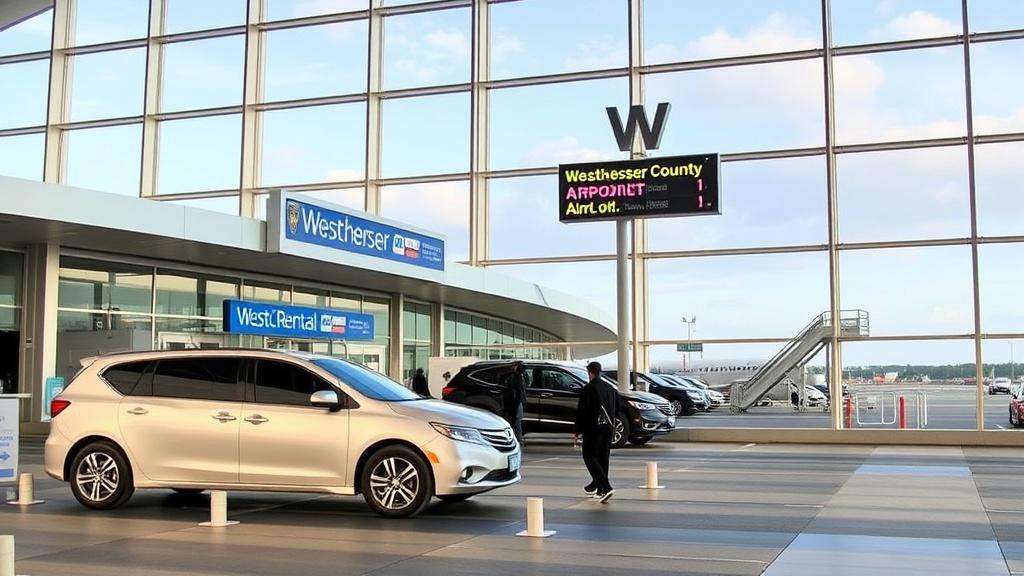
One-way rentals and after-hours returns
One-way rentals are possible but can incur a hefty drop-off fee if you leave the car at a different location. If you’re returning the car after hours, confirm the agency’s after-hours drop procedures and whether a staff member will inspect the car the next business day — you want documentation showing the vehicle was returned on time and in good condition.
Driving into Manhattan and navigating regional traffic
The allure of driving from HPN to Manhattan is strong: door-to-door mobility on your schedule. But traffic is unforgiving. Mornings and late afternoons bring heavy congestion on the Cross Westchester Expressway (I-287), I-95, and the highways feeding into the city. Plan trips outside rush hours if possible, use a navigation app for live traffic, and budget double or triple the uncongested drive time when you have appointments. Parking in Manhattan is expensive and scarce; consider parking garages outside the central business district or using Park-and-Ride options combined with public transit.
| Typical Drive (approx.) | Estimated Time |
|---|---|
| Westchester County Airport to Midtown Manhattan | 40–75 minutes (traffic-dependent) |
| HPN to Stamford, CT | 25–45 minutes |
| HPN to Tarrytown/River towns | 20–35 minutes |
| HPN to Bear Mountain/Hudson Valley attractions | 35–80 minutes |
Alternatives to renting and when to choose them
A car is not always the right answer. If your itinerary is Manhattan-only, taxis, rideshares, private car services, and public transit can be simpler. Train options from nearby stations connect to Grand Central and Penn Station and are often faster during peak hours. Compare total door-to-door time and cost; sometimes paying for a round-trip car service is more efficient for airport transfers than juggling rentals and parking.
- Choose rideshare/taxi for short visits centered in Manhattan or if you want to avoid parking hassles.
- Choose rental car for flexibility: multiple stops, regional travel, or if you need to carry equipment or a lot of luggage.
- Choose train or bus when you prioritize predictability during rush hours and want to avoid driving in the city.
How to save money without sacrificing comfort
Book early, compare across aggregators and the rental companies’ own sites, and check for coupon codes from memberships you might hold (e.g., AAA, certain credit cards, or professional associations). Opting for off-airport locations can sometimes shave rental rates, but weigh that against shuttle time and convenience. Skip extras you don’t need: if your phone provides reliable navigation, skip the GPS. Decline unnecessary insurance only if your personal auto policy or credit card already covers rentals — verify coverage first. Picking a fuel-efficient vehicle and avoiding one-way drop-offs also keeps the bill lean.
Extra tips seasoned drivers swear by
- Snap photos of the car from multiple angles at pick-up and drop-off to document condition.
- Confirm the exact fuel policy and return the tank at the agreed level to avoid expensive refueling charges.
- Ask about winter equipment — snow tires or chains — if you’ll be traveling in colder months.
- Keep receipts for tolls and gas tied to the rental in case of disputes.
- Consider hybrid or compact vehicles for city travel to lower fuel costs and simplify parking.
Accessibility and family needs
If you need ADA-accessible vehicles or child safety seats, request them ahead of time. Not all agencies keep such equipment in large supply at smaller airports. Verify that requested items are included in your reservation and confirmed in writing. For families, a vehicle with more cargo and flexible seating makes a trip feel less cramped, especially when you’re carrying strollers, sports gear, or luggage for several people.
Practical checklist before you fly
- Reserve early and confirm car class and policies in writing.
- Check your insurance and credit card coverage for rentals.
- Plan routes and know peak traffic times for your drives.
- Bring required documents: license, card, confirmation number.
- Inspect the car thoroughly; document any pre-existing damage.
- Understand toll options and expected fees.
- Allow additional time for pickup and drop-off during busy periods.
What to expect on arrival day
When you arrive at HPN, follow signs to the rental counters or shuttle pickup areas. Counter staff will walk you through the contract, optional extras, and any local policies. Expect a security hold on your card. Once you’re given the keys, do a walk-around inspection, note fuel level, and ask for clarification on return instructions. The first few minutes in the car can set the tone for the whole rental: adjust mirrors, confirm any integrated toll devices are active, and program a navigation route before you drive into denser traffic.
Environmental considerations
If sustainability matters to you, ask whether hybrid or electric vehicles are available. Fleets at smaller airports may have fewer EVs, but hybrids are increasingly common and can save on fuel. Even small choices — like selecting a smaller car or avoiding idling in congested areas — reduce the carbon footprint of your trip.
Final practical note
Renting a car at Westchester County Airport blends convenience with the need for small precautions. The airport’s compact size makes pickups and drop-offs straightforward, but limited fleet sizes and regional traffic patterns reward planning. Whether you’re here for business, leisure, or a New York-area pit stop, a thoughtful approach to timing, vehicle choice, and extras will make the difference between a smooth trip and a wallet-draining surprise.
Conclusion
Renting at HPN can be a smart, efficient way to get around the Hudson Valley and the New York metro area if you plan ahead: book early, verify policies, inspect the vehicle, and be mindful of tolls and parking. Choose your car based on the type of travel you’ll do, prepare for rush-hour traffic if you’re heading into the city, and weigh alternatives when the itinerary is Manhattan-focused. With a little preparation you’ll turn a small airport rental into a practical advantage rather than a hassle.